

Constitution 101: Your guide to American governance
Welcome to Constitution 101, where we explore the foundations of American government through the lens of Restoration Justice. This plain-English guide to the U.S. Constitution and the Bill of Rights unpacks the operating system for American government. The Articles (I–VII) build the structure of power, outlining how government is formed and functions. The Bill of Rights (Amendments 1–10) sets guardrails, protecting people and limiting government power. We explain each Article and Amendment in practical terms, with real-life examples of how these protections apply. Join LaMarcusRTaylor in understanding your fundamental rights and the structure designed to protect them.

Article I: The legislative branch (Congress)
Article I creates Congress, comprising the House and Senate, and grants it authority to make federal laws. It defines elections, internal rules, and significant national powers like taxing, spending, regulating interstate commerce, declaring war, raising the military, and conducting oversight. Importantly, it limits Congress by prohibiting bills of attainder and ex post facto laws, and restricts the suspension of habeas corpus. This protects fairness and stability in lawmaking, safeguards against targeted punishment, and ensures democratic accountability. For example, if lawmakers tried to pass a law naming one person guilty without trial, Article I forbids it. Why it matters: Congress controls the rules and money, making strong oversight crucial for preventing corruption and abuse.
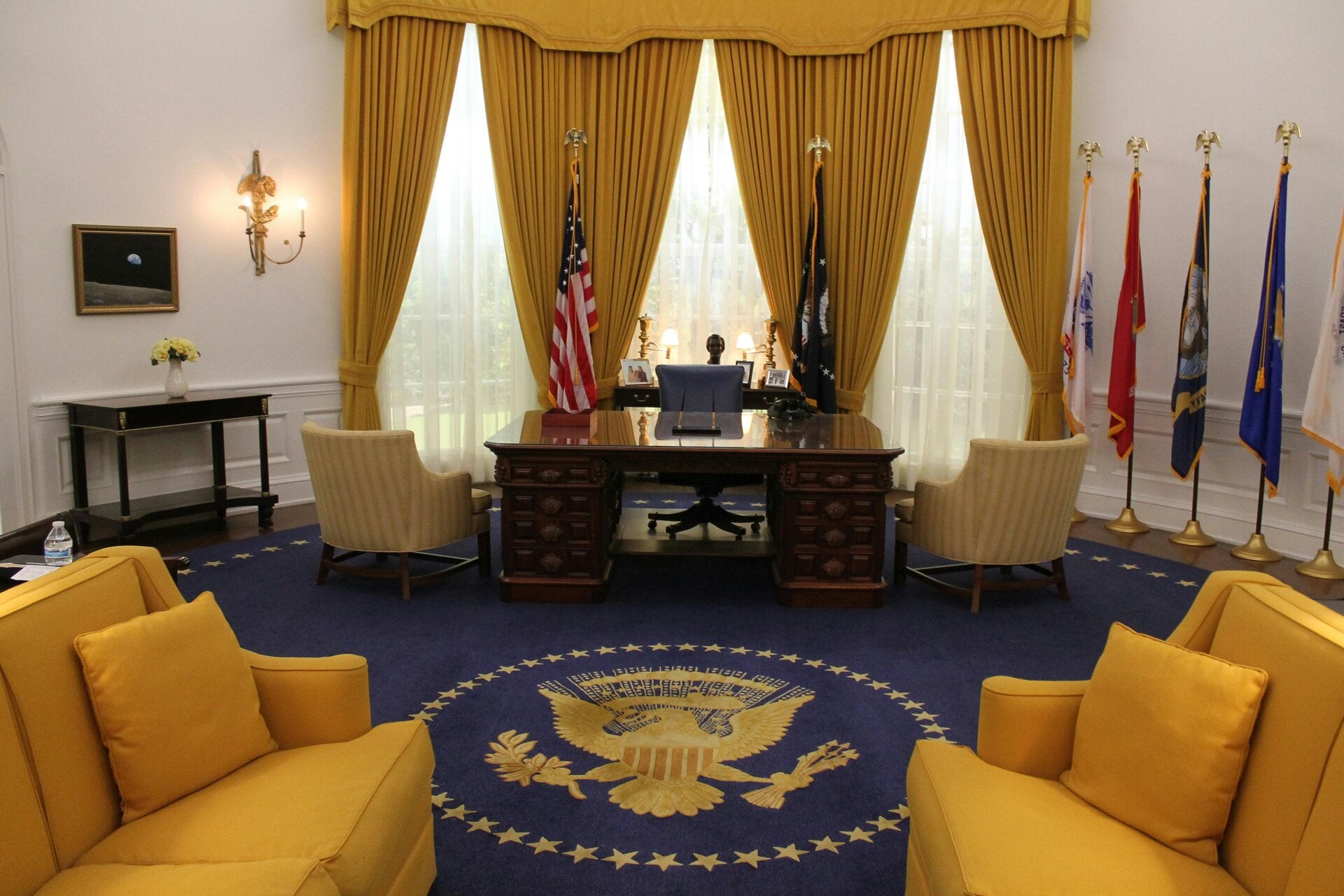
Article II: The executive branch (President)
Article II establishes the presidency and the executive branch to enforce federal laws. It outlines executive powers such as the commander-in-chief authority, treaty-making (with Senate involvement), and the appointment of officials and judges (often requiring Senate confirmation). It mandates the duty to faithfully execute laws. However, executive power is checked by the Senate on treaties and appointments, and the President can be impeached. This protects a vital balance between effective administration and accountability, preventing one-person rule. For example, if an executive agency targets individuals for political speech, courts can review the actions and Congress can investigate. Why it matters: Most daily government contact is through executive agencies, making lawful and transparent enforcement essential.

Article III: The judicial branch (Federal courts)
Article III establishes the Supreme Court and authorizes lower federal courts. It defines the types of disputes federal courts can decide and safeguards judicial independence. Treason is narrowly defined with strict proof requirements. It limits courts to deciding real cases and controversies, preventing them from offering hypothetical political advice. This protects a neutral forum for constitutional claims and ensures judicial independence, allowing courts to rule against government overreach. For example, when laws violating free speech or privacy are challenged, Article III provides the pathway for lawsuits. Why it matters: Courts serve as the constitutional referee when government power clashes with individual rights.

Article IV: States and interstate relations
Article IV sets rules for state cooperation, including "full faith and credit" for respecting other states' public acts and judgments, protections for out-of-state citizens ("privileges and immunities"), and extradition rules. It outlines how new states are admitted and guarantees federal protection against invasion and a republican form of government. This limits states from acting as separate nations, preventing them from ignoring each other's legal outcomes. It protects legal continuity across state lines, ensuring fairness for citizens and businesses. For example, a valid court judgment in one state must generally be recognized in another. Why it matters: It keeps the nation legally coherent instead of fragmented at every state border.

Article V: Amendments (how the constitution changes)
Article V establishes the amendment process, requiring proposed amendments to pass by a supermajority and then be ratified by a supermajority of states. This allows for constitutional reform while ensuring broad national agreement. It limits rapid constitutional change driven by short-term political shifts. This protects stability while providing a legitimate pathway to expand rights and correct systemic failures when a national consensus is achieved. For example, the Bill of Rights itself was added through this amendment process. Why it matters: It's the system's upgrade path—slow by design, but built for legitimacy and lasting impact.

Article VI: Supremacy, oaths, and no religious tests
Article VI declares the Constitution and federal law supreme over conflicting state law via the "Supremacy Clause." It requires officials to swear an oath to support the Constitution and prohibits religious tests for public office. This limits states from overriding federal constitutional rights and prevents government from requiring religious adherence for public service. It protects uniform constitutional rights nationwide, equal access to public service regardless of religion, and ensures constitutional compliance as a baseline standard. For example, if a state law conflicts with constitutional protections, courts can invalidate it. Why it matters: Rights cannot depend on geography, and public service cannot depend on faith.

Article VII: Ratification (how it took effect)
Article VII explains how the Constitution became effective through state ratification, outlining the formal process by which the states approved the document. This limits claims that the Constitution is merely symbolic rather than binding law. It protects the legitimacy of the government, grounding its authority in a formally adopted legal framework. For example, courts treat the Constitution as enforceable law because it was formally ratified, not just proposed as a philosophy. Why it matters: It is the "launch clause" that transformed the Constitution from a proposal into a legal reality, shaping the nation's governance.
The bill of rights: Protecting individual liberties
The first ten Amendments, known as the Bill of Rights, are fundamental to safeguarding individual freedoms and limiting governmental intrusion. They ensure that even as the government operates, the rights of its citizens remain paramount. Let's explore these crucial protections.

1st amendment: Speech, religion, press, assembly, petition
The 1st Amendment protects fundamental freedoms: free speech, free press, peaceful assembly, the right to petition the government, and religious liberty (preventing government-established religion and protecting religious exercise). It limits government censorship and retaliation against expression, as well as government preference for any religion. This protects organizing, protest, journalism, advocacy, faith practice, and the right to demand accountability. Real-world examples include speaking at public meetings or peacefully protesting. Why it matters: Democracy thrives when people can speak, organize, and challenge power without fear.

2nd amendment: Arms
The 2nd Amendment protects the right to keep and bear arms, a scope significantly shaped by Supreme Court interpretation. While it protects individual firearm possession, it also allows governments to regulate arms in certain ways, such as through licensing or restrictions in sensitive places, subject to judicial review. These disputes often involve carry rules or restrictions in locations like schools. Why it matters: It remains a major constitutional battleground where public safety and individual rights arguments frequently collide, highlighting ongoing debates about its modern application.

3rd amendment: Quartering soldiers
The 3rd Amendment prohibits forcing people to house soldiers in private homes during peacetime and strictly limits it during wartime. This was a direct response to historical grievances and aims to prevent military intrusion into civilian life and private property. It protects the privacy of citizens and the principle that civilians cannot be compelled to support military occupation. Though rarely litigated today, it stands as a clear constitutional "no forced quartering" rule. Why it matters: It reinforces a broader principle: government power, even military power, has clear limits within the home and on individual liberties.

4th amendment: Searches and seizures
The 4th Amendment protects against unreasonable searches and seizures, requiring warrants to be based on probable cause and to specifically describe what is being searched and seized. It limits unlawful searches, overly broad warrants, certain surveillance, and "fishing expeditions" by authorities. This protects privacy and security, especially in the home, on your person, and in your effects. For example, police generally need a warrant to search a home, and rules for phone searches and traffic stops often involve 4th Amendment protections. Why it matters: It's one of the strongest constitutional protections against investigation without lawful justification, crucial for civil liberties.

5th amendment: Due process, self-incrimination, double jeopardy, takings
The 5th Amendment mandates due process before deprivation of life, liberty, or property; protects against compelled self-incrimination; prohibits double jeopardy; requires just compensation for private property taken for public use; and includes grand jury requirements for many serious federal crimes. It limits coerced confessions, repeated prosecutions for the same offense, and property takings without fair compensation. This protects fair procedures when government threatens liberty or property, including the right to remain silent. Real-world examples include invoking Miranda rights during interrogation or seeking compensation for land taken for public infrastructure. Why it matters: It's a foundational "fair process" barrier between people and unchecked government power, essential for criminal and social justice.

6th amendment: Criminal trial rights
The 6th Amendment guarantees crucial rights in criminal trials: a speedy and public trial, an impartial jury, notice of charges, the right to confront witnesses, the ability to obtain witnesses, and the right to counsel. It limits secret trials, indefinite delays, and one-sided prosecutions where the accused cannot challenge evidence. This protects a meaningful defense and the integrity of criminal proceedings. Examples include cross-examining key witnesses or ensuring access to legal counsel when liberty is at stake. Why it matters: It prevents the justice system from becoming punishment-first and fairness-last, safeguarding fundamental fairness for the accused.

7th amendment: Civil jury trial
The 7th Amendment preserves the right to jury trials in many federal civil cases and limits the re-trying of facts decided by juries. It protects the community's role in deciding key civil disputes, ensuring that liability and damages are contested and determined by citizens rather than solely by a judge. For example, in certain federal civil lawsuits, a jury will decide responsibility and damages. Why it matters: It keeps civil justice connected to the people, ensuring broader public participation in legal outcomes beyond criminal cases, which is vital for a democratic legal system.

8th amendment: Excessive bail/fines; cruel and unusual punishment
The 8th Amendment prohibits excessive bail and fines and bans cruel and unusual punishment. It limits disproportionate punishment, extreme financial penalties used as coercion, and inhumane conditions or practices. This protects human dignity and proportionality in punishment. Real-world examples include challenging excessive fines or abusive jail/prison conditions, or punishments argued to be grossly disproportionate (depending on current doctrine). Why it matters: It draws a constitutional line between justice and cruelty, ensuring that the state's power to punish is tempered by fundamental human rights and standards of fairness, crucial for criminal and social justice reform.

9th amendment: Rights retained by the people
The 9th Amendment states that enumerating certain rights in the Constitution does not mean people have no other rights beyond those listed. This explicitly limits the argument that only explicitly written rights exist. It protects the principle that liberty isn’t limited to a checklist, suggesting that citizens possess unenumerated rights. It's cited in broader debates about privacy and autonomy as a constitutional warning against shrinking rights to only enumerated categories. Why it matters: It prevents the Bill of Rights from becoming a ceiling on freedom, acknowledging a broader sphere of individual liberty that the government cannot infringe upon.

10th amendment: Reserved powers (Federalism)
The 10th Amendment reserves powers not delegated to the federal government (and not prohibited to states) to the states or the people. This limits federal overreach into areas not constitutionally granted and frames disputes over who holds authority on various issues. It protects federalism boundaries and local governance authority within constitutional limits. Real-world examples include disputes over education policy, public health policy, and policing structures, which often involve arguments about whether authority is federal or state/local. Why it matters: It’s a constant boundary marker in American power conflicts, defining the relationship between federal, state, and local governments.
Frequently asked questions about the U.S. constitution
What’s the difference between the constitution and the bill of rights?
The Constitution’s Articles create the branches of government and assign power. The Bill of Rights limits government power and protects individual liberties.
Which branch is “most powerful”?
The system is designed so no branch permanently dominates: Congress makes laws and controls budgets, the executive enforces laws, and courts enforce constitutional limits. Power shifts depending on whether checks and oversight are functioning effectively.
What does “due process” mean in everyday life?
It means the government must follow fair procedures before taking your liberty or property—typically notice, a meaningful chance to be heard, and a lawful decision-maker.
Do these protections apply in state courts too?
Many do, though the details vary by right and context. The practical takeaway is that constitutional rights are often enforceable against state actors, not only federal actors, thanks to interpretations like the Fourteenth Amendment.
Take action: Empowering civic engagement
- Vote every cycle. Local offices often control prosecutors, judges (in some states), school boards, and county budgets, directly impacting criminal and social justice.
- Attend public meetings. City councils, county councils, and school boards set policies that shape daily life and community well-being.
- Use public records tools. Transparency can reveal policies, contracts, budgets, and patterns of decision-making, crucial for accountability.
- Organize with evidence. Timelines, documents, and outcomes turn complaints into actionable accountability, driving change.
- Know your process rights. Notice, hearings, counsel, and fair procedures aren’t optional—demand compliance to ensure justice.
References
American Civil Liberties Union. (2003, January 9). The Constitution of the United States of America. ACLU of Washington. https://www.aclu.org/documents/constitution-united-states-america
American Civil Liberties Union. (2003, January 8). The Bill of Rights to the U.S. Constitution. https://www.aclu.org/documents/bill-rights-us-constitution
American Civil Liberties Union. (2017, May 8). The United States Bill of Rights: First 10 amendments to the Constitution. https://www.aclu.org/documents/united-states-bill-rights-first-10-amendments-constitution
American Civil Liberties Union. (2025, May 28). What is due process? https://www.aclu.org/news/civil-liberties/what-is-due-process
National Archives. (2016, October 12). The Constitution: What does it say? https://www.archives.gov/founding-docs/constitution/what-does-it-say
National Archives. (2023, April 27). The Bill of Rights: What does it say? https://www.archives.gov/founding-docs/bill-of-rights/what-does-it-say