

Decoding politics 2026: The American landscape
Deep dive into the political realities of 2026. Here, we unravel the intricate three-party ecosystem—two major parties and a significant "independent" lane—that shapes the United States. Operating within a constitutional structure designed with checks, balances, and federalism, we explore both the system's foundational design and how parties actually run it day-to-day. Join us to understand the coalitions, incentives, messaging, and elections that define this critical period in American politics.

The shifting sands of party power
In 2026, the federal executive branch is led by President Donald J. Trump and Vice President JD Vance. The 119th Congress holds Republican majorities in both chambers, with two independents caucusing with Democrats in the Senate. The political landscape is dominated by the Democratic Party and Republican Party, which serve as primary vehicles for winning elections and coordinating policy. Modern scholarship highlights that parties are sophisticated networks of actors—elected officials, donors, activists, and media—that coordinate to govern. While independents are crucial, many are "closet partisans" who consistently lean towards one major party, often acting as the swing segment. Polarization remains a headline condition, profoundly influencing coalition-building and raising the stakes for control over offices and procedures.

Structure of power: Branches and levels
The American government is a federal system, with authority split vertically between national and state levels, and horizontally across executive, legislative, and judicial branches. At the federal level, the President and Vice President lead agenda-setting and executive administration, supported by cabinet departments and agencies. Congress, comprising the House of Representatives (435 members) and Senate (100 members), writes laws, controls spending, and oversees the executive. The federal courts, led by the Supreme Court, interpret the Constitution and federal law. Each of the 50 states also has its own constitution, governor, legislature, and courts, handling critical areas like elections, education, and criminal law. Local governments (counties, cities, towns) deliver essential services, where party networks often influence even nominally nonpartisan offices.
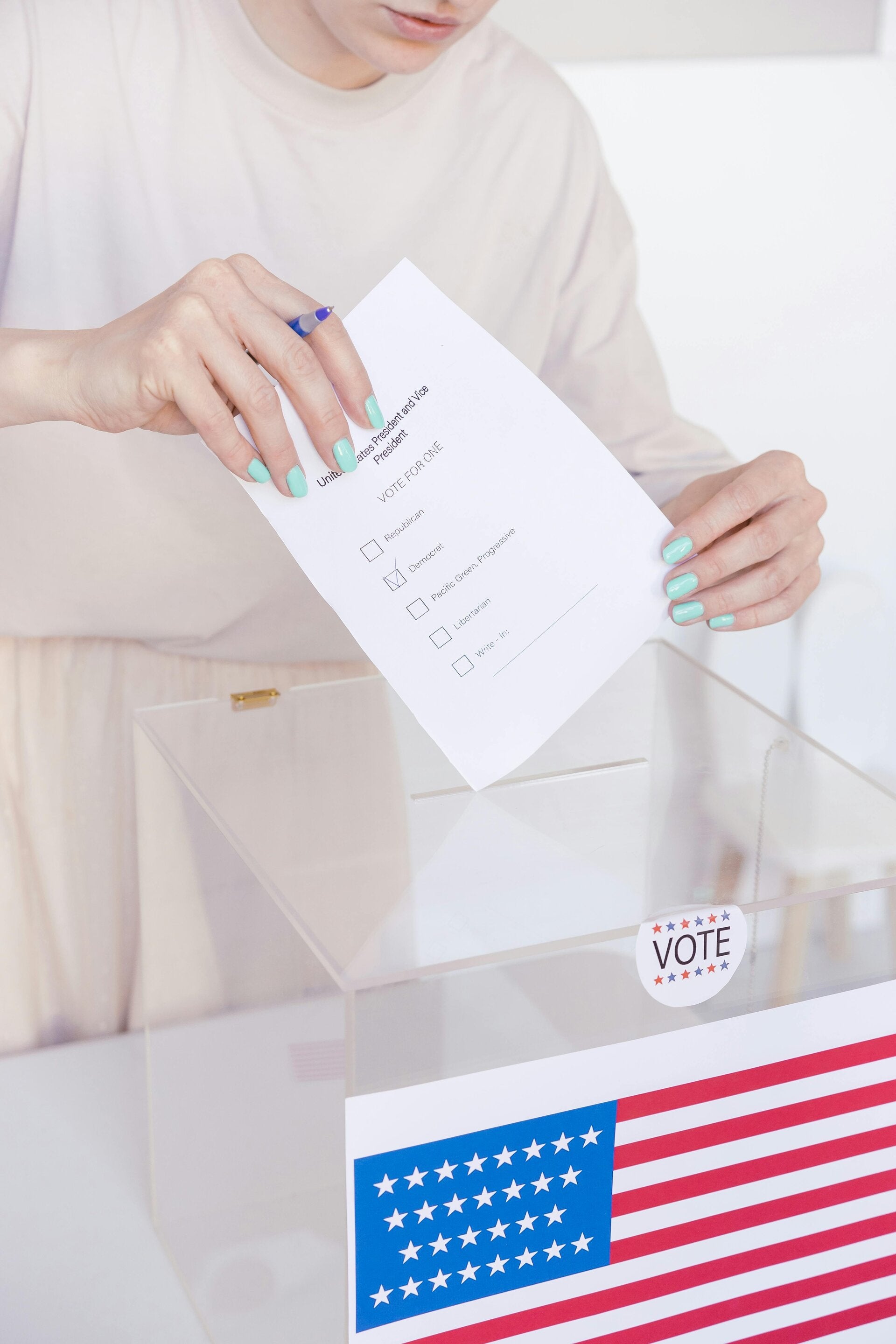
Parties, voters, and the operating system of democracy
Understanding American politics in 2026 means recognizing it as a three-layer operating system: the Constitution's structure (separation of powers + federalism, designed for friction), party competition (coalitions fighting for control of offices that shape agendas), and the voter market (partisans as the base, independents as the swing margin, and turnout as the force multiplier). Parties at the federal level control everything from committee chairs to legislative calendars. At the state level, they focus on governorships, legislatures, and crucial election administration rules. Locally, party strategy often drives voter turnout. Independents are targeted as a persuadable segment with diverse views. This complex interplay results in polarized competition within a system engineered for shared power, where parties aim to control "choke points" and independents ultimately decide close outcomes. Now that you know the difference in parties and how the government functions, pick a side peacefully and vote your conscience.